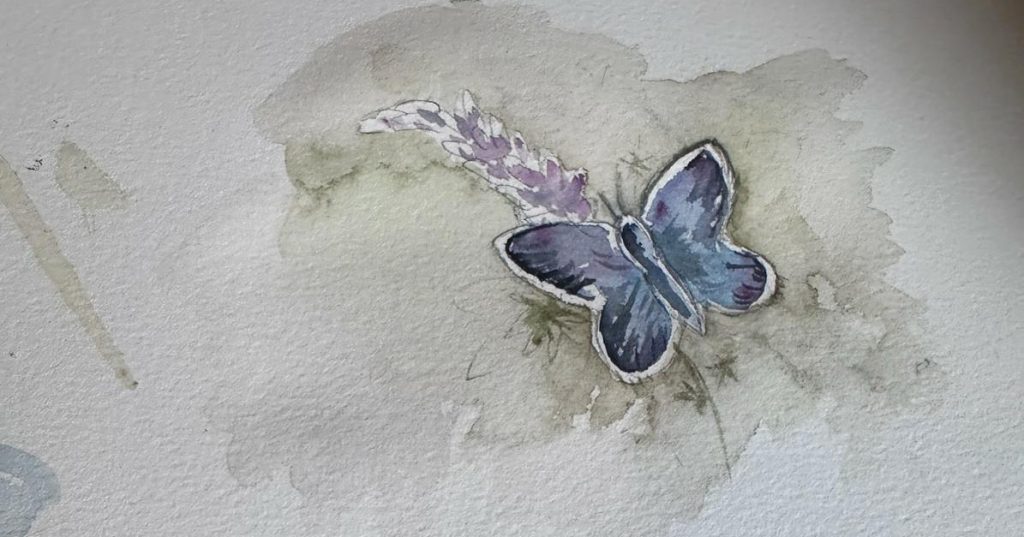
We can’t promise we’ll bring back the Karner Blue, but we also can’t promise we won’t…
Hello and welcome to Karner Blue Garden Design! We provide landscaping services that specialize in native plants. We believe each and every one of us can have a positive impact on our environment by installing native plants in our yards and on our balconies. Native plants are beautiful and we feel that they should be included more in traditional landscaping. Let us help build the garden of your dreams and help the birds, bees, and butterflies at the same time!
Why “Karner Blue”?
The Karner Blue is a small blue butterfly native to the Great Lakes region. It is an endangered species and extirpated, i.e. locally extinct, in Canada. Its host plant is the native wild blue lupine (Lupinus perennis). Unfortunately, due to changing climate, habitat loss, and competition from introduced plants, the wild blue lupine also in decline.
Together, we can work to change that.
What we do
We provide native plant landscaping services to both residents and small businesses. Services include consultation, garden design, installation, and maintenance. Our garden designs span from more traditional gardens to a wildflower cottage gardens.
We have experience selecting native plants appropriate for a wide range of conditions: full sun to full shade, dry to wet, loamy soil to poor soil. We’ve installed dappled-sun woodland, full-sun prairie, and full-sun to part-shade rain gardens.
Find out more about our process below.
Why plant native?
A native plant is one that was present in our region prior to European first contact. Native plants have had centuries to adapt to the climate, other flora, and fauna of this land, and has evolved to exist in balance with them.
Native plants are critical for the survival of many insects and animals; they are integral to the delicate health of our environment. With sprawling urban development, climate change, and the introduction of invasive plants, many native plants and animals are facing challenges to survival like never before. To preserve our beautiful Ontario nature, we need to protect our beautiful native plants.
Not only are native plants great for the environment, there are a ton of benefits to gardeners, homeowners, and business owners alike! Here are just a few:
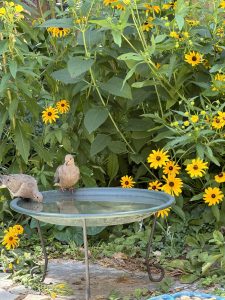
Once established in the right environment, native plants require no watering–saving you money! Many species are even drought tolerant.
They require little maintenance. They don’t require pruning. Most plants we plant are perennials or self-seeding annuals, which means the planting is one-and-done!
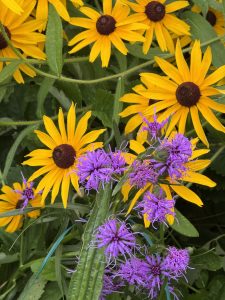
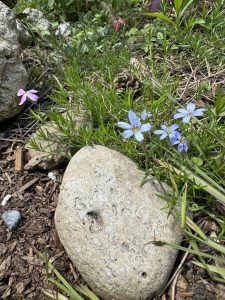
There’s something for all conditions! There’s native plants for every environment in Ontario. Plus, they’re hardy.
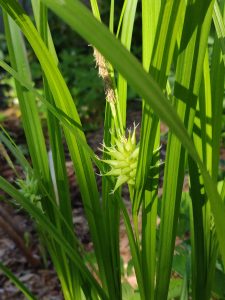
There are some really unique native plants that can add some originality to your garden. Morningstar sedge is a fabulous example. Sadly, you can’t yet find the majority of native plants outside of specialized nurseries.
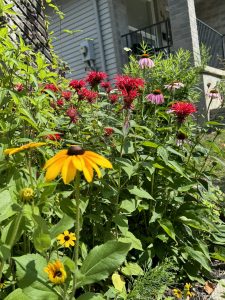
They’re beautiful! We design our gardens with successions of flowers from spring to fall so you always get a fresh pop of colour.
Lastly, you get to enjoy the many birds, bees, and butterflies that will peruse your garden looking for food and shelter. Check out who we’ve seen in our own gardens here!
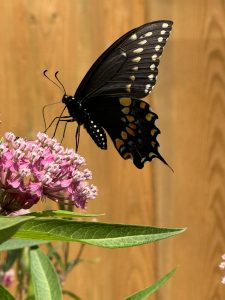
If you’d like to learn more about native plants, we’ve collected a list of books, websites, nurseries, and organizations at the link below.
Past Projects
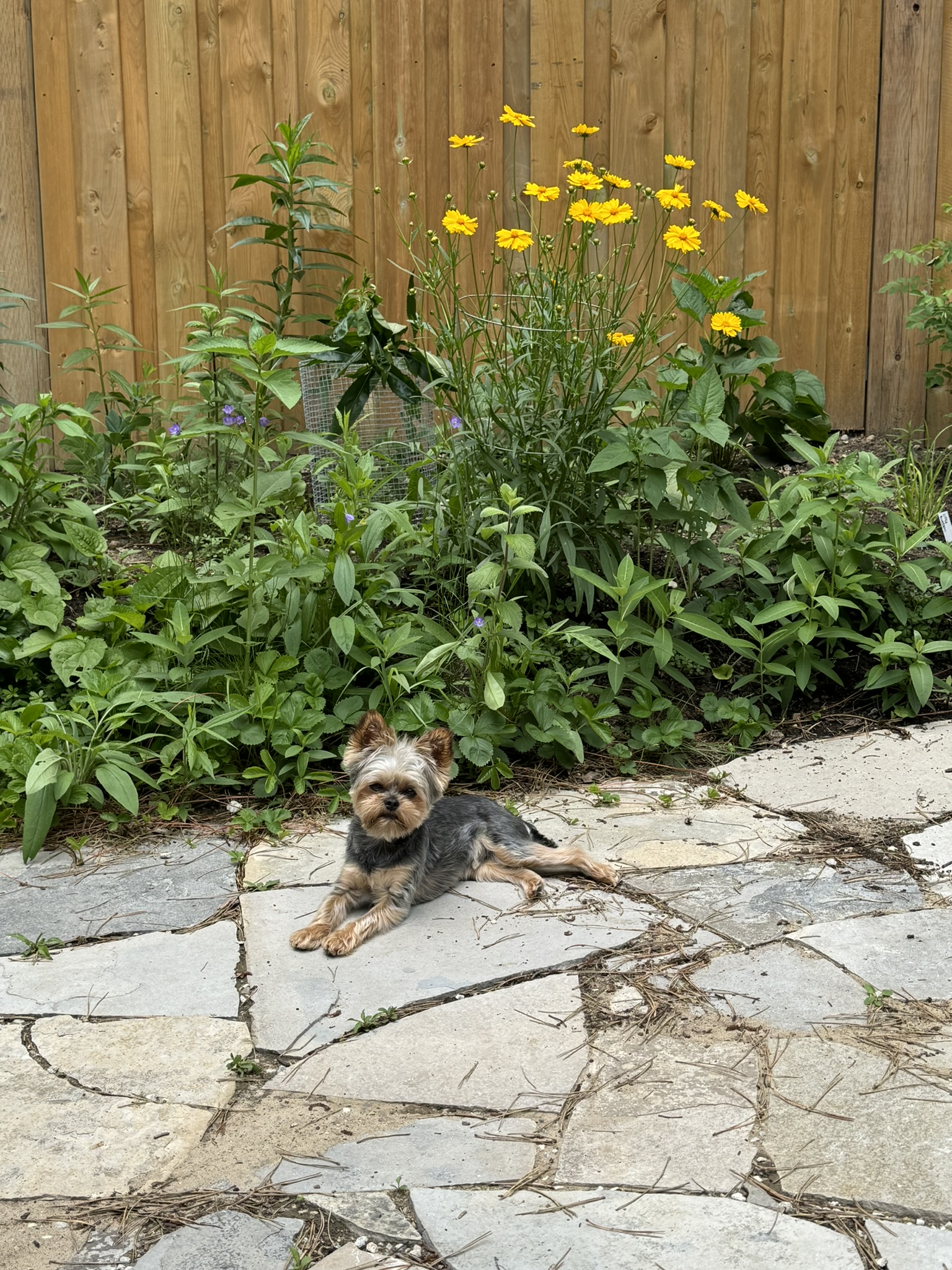
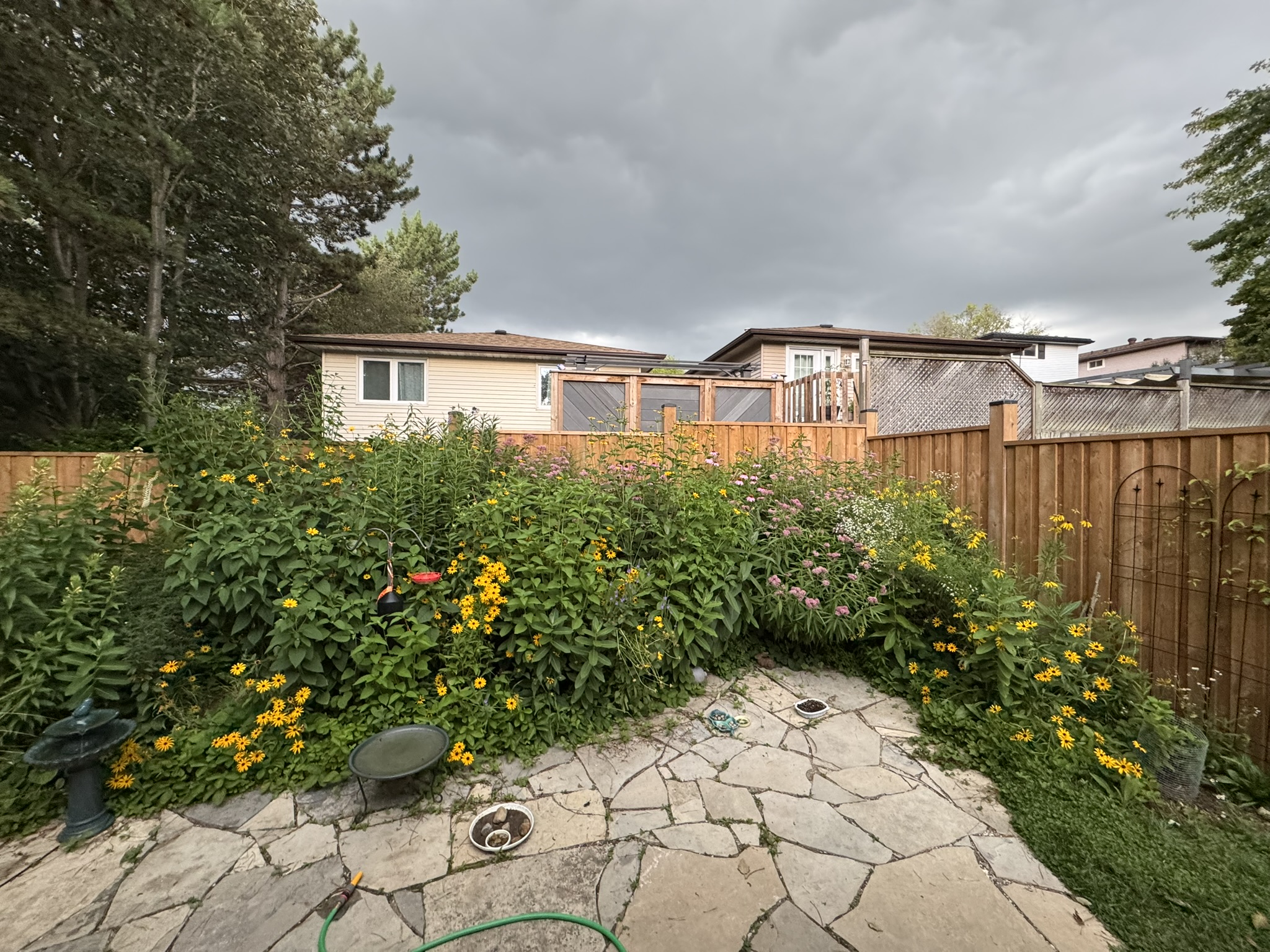
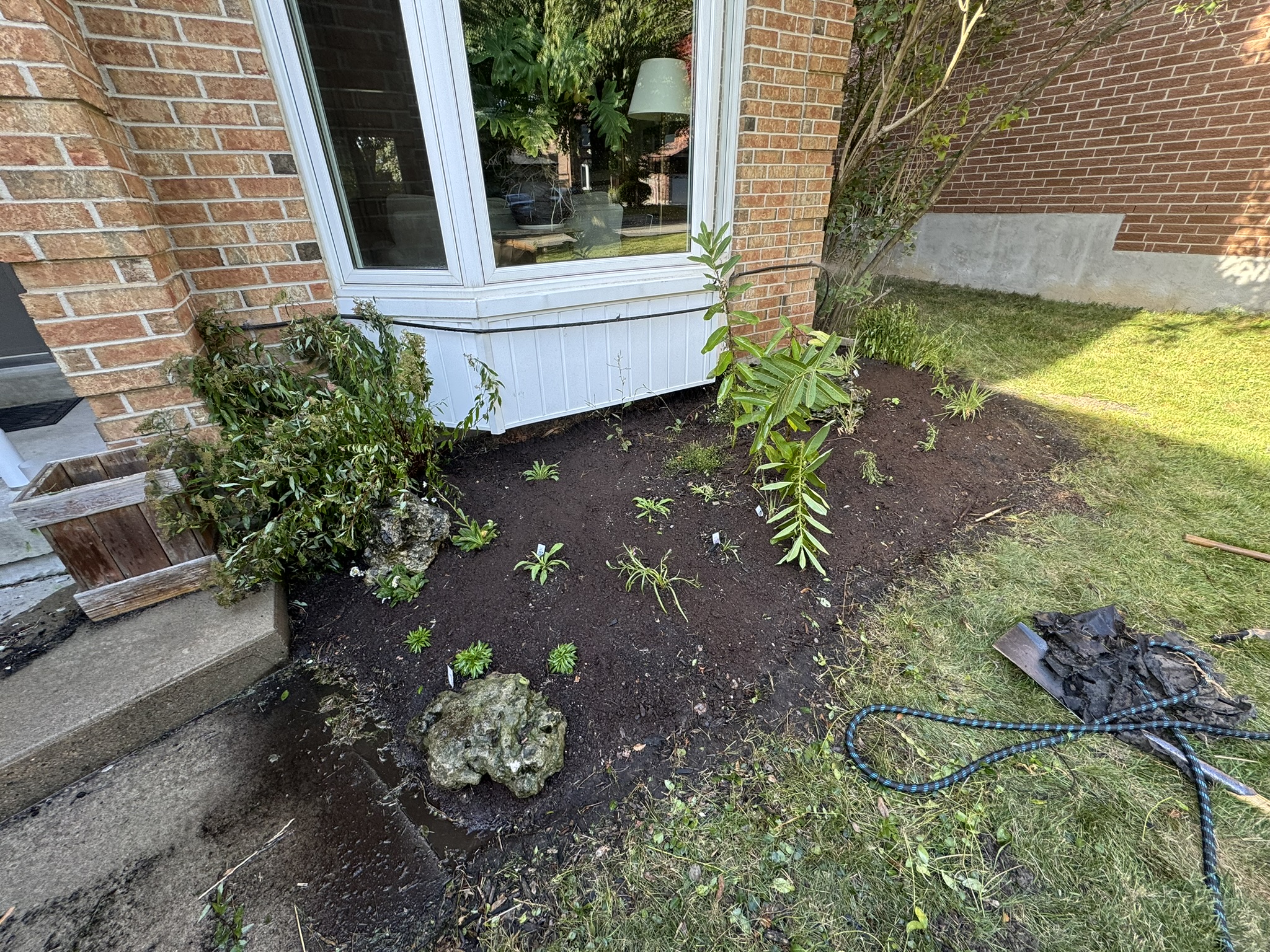
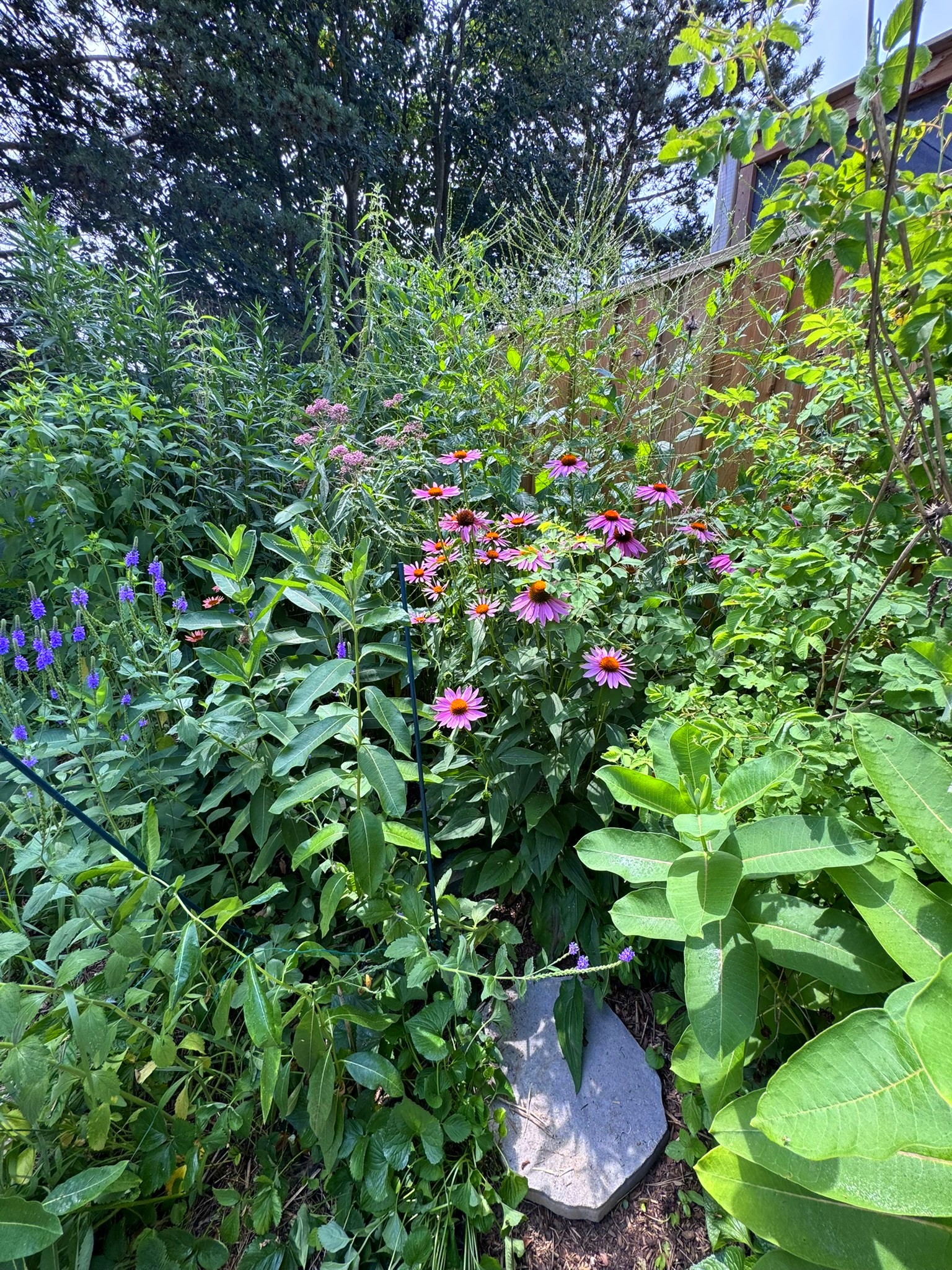
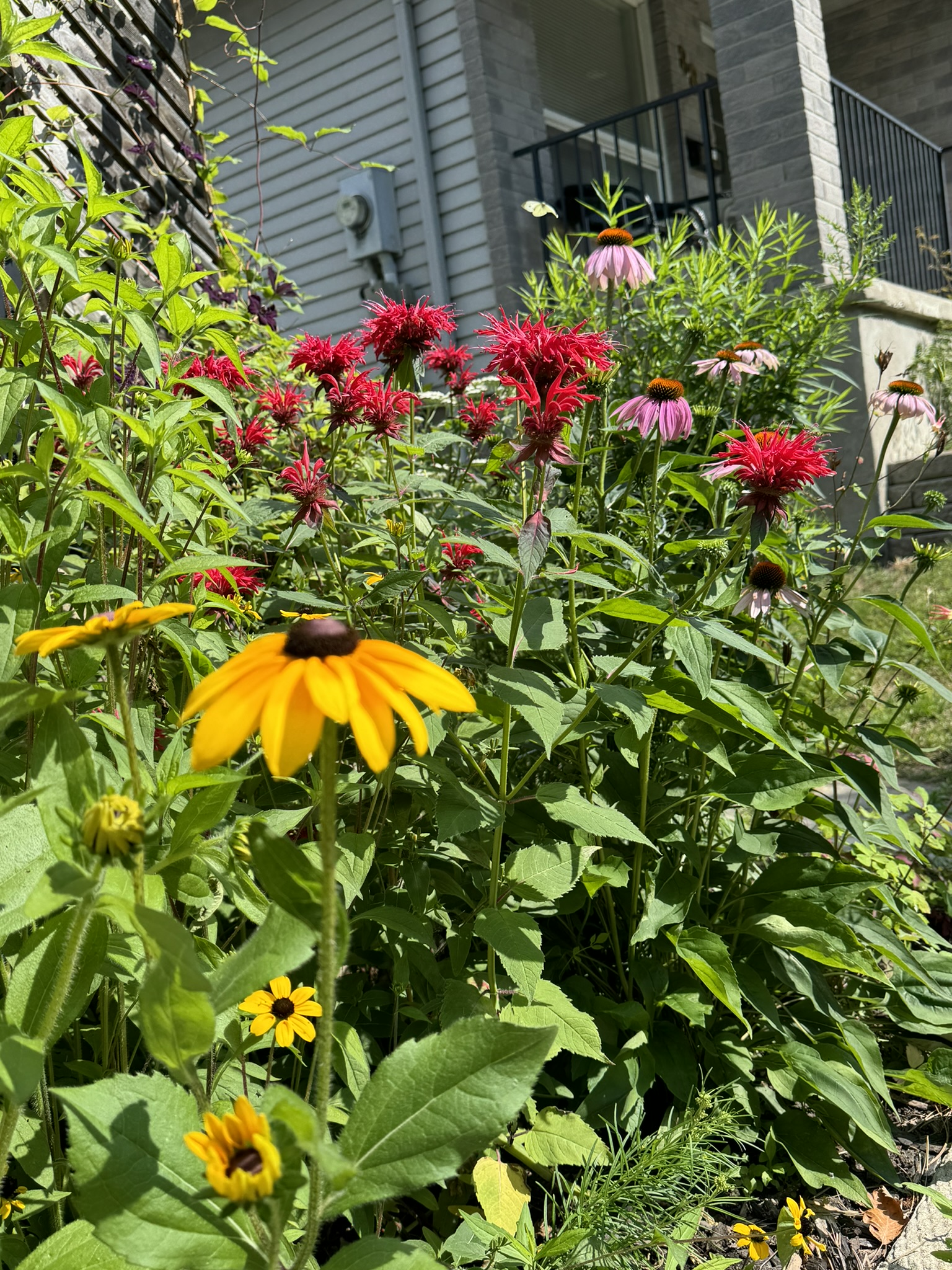
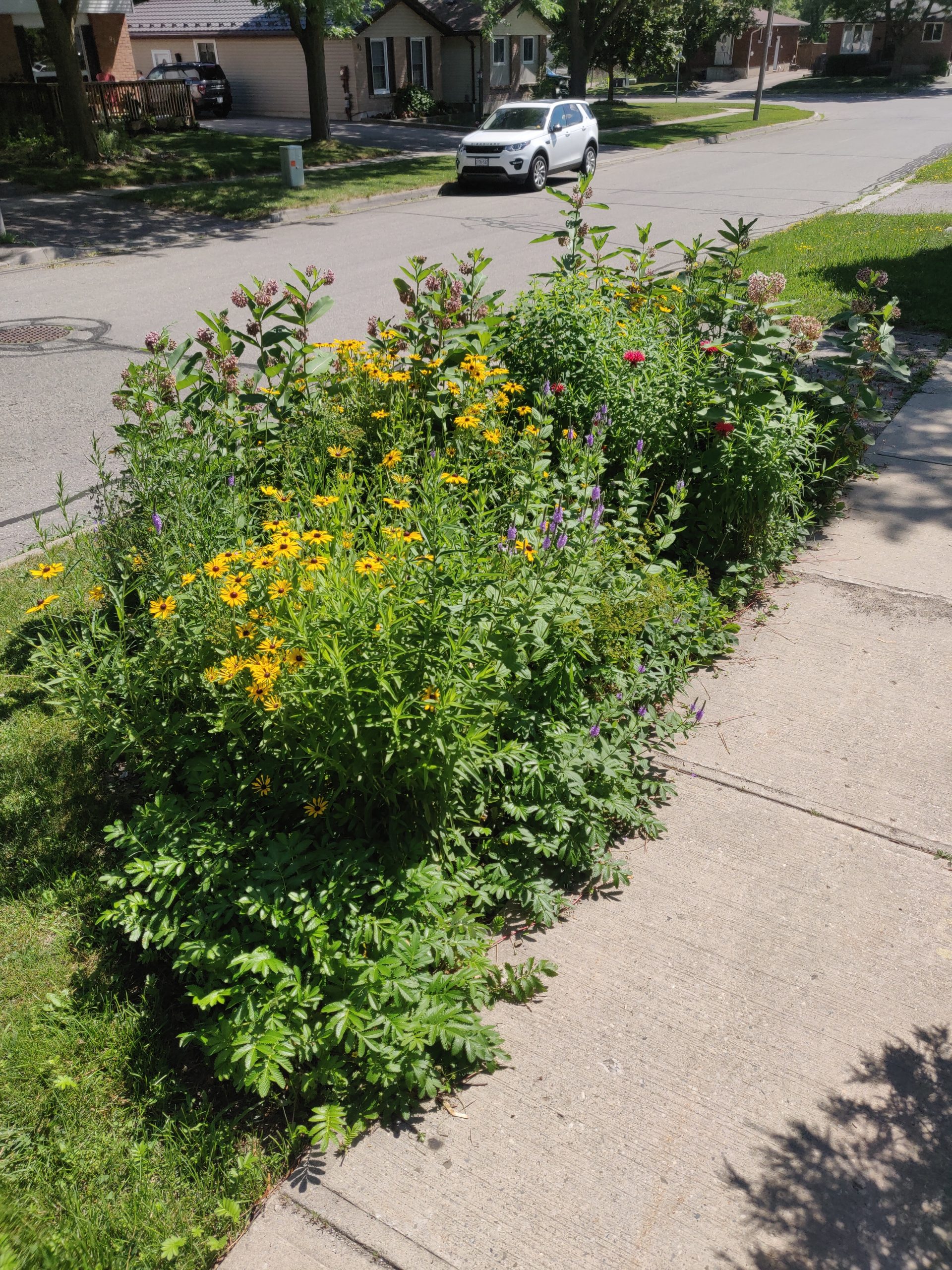
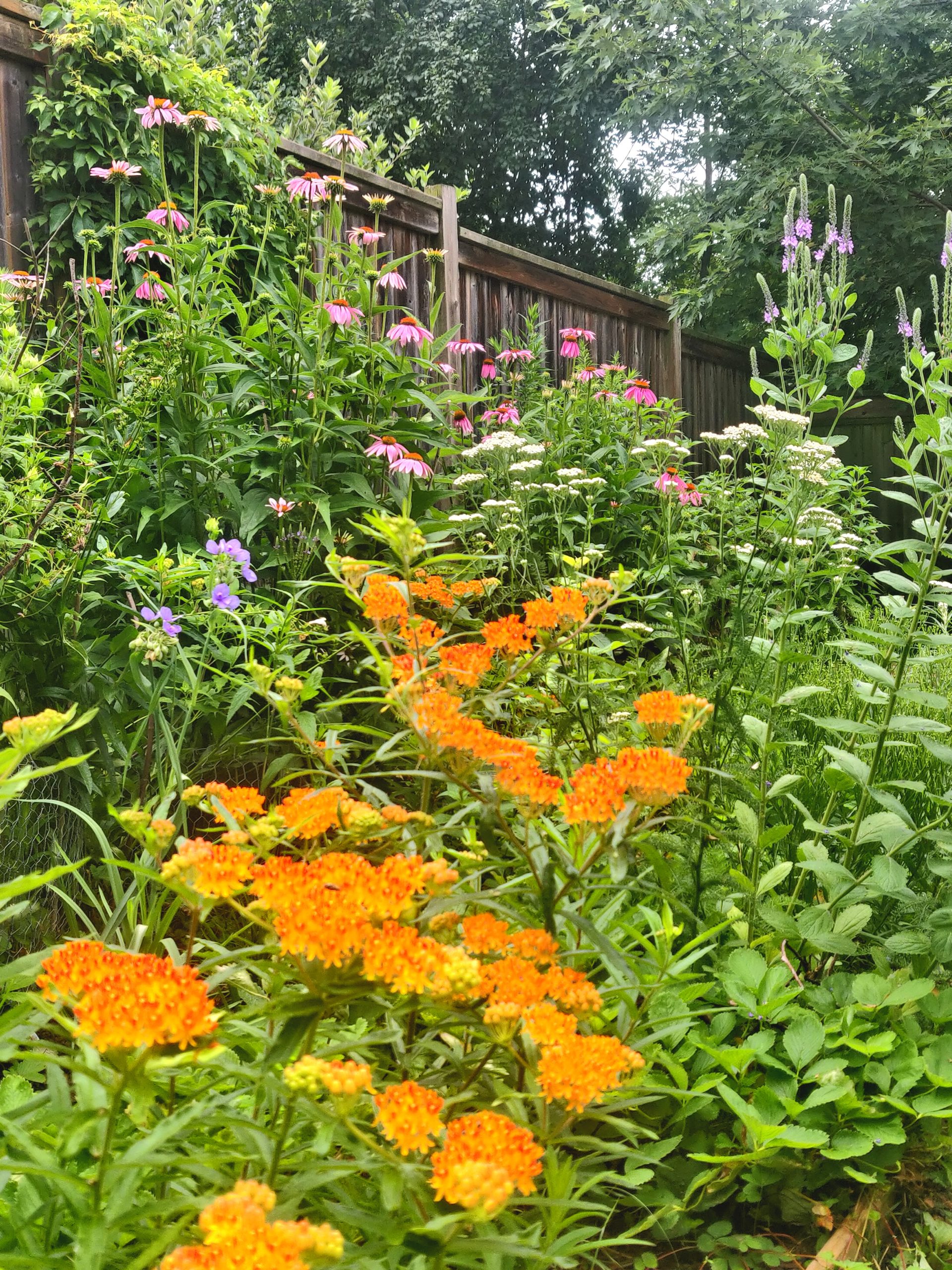
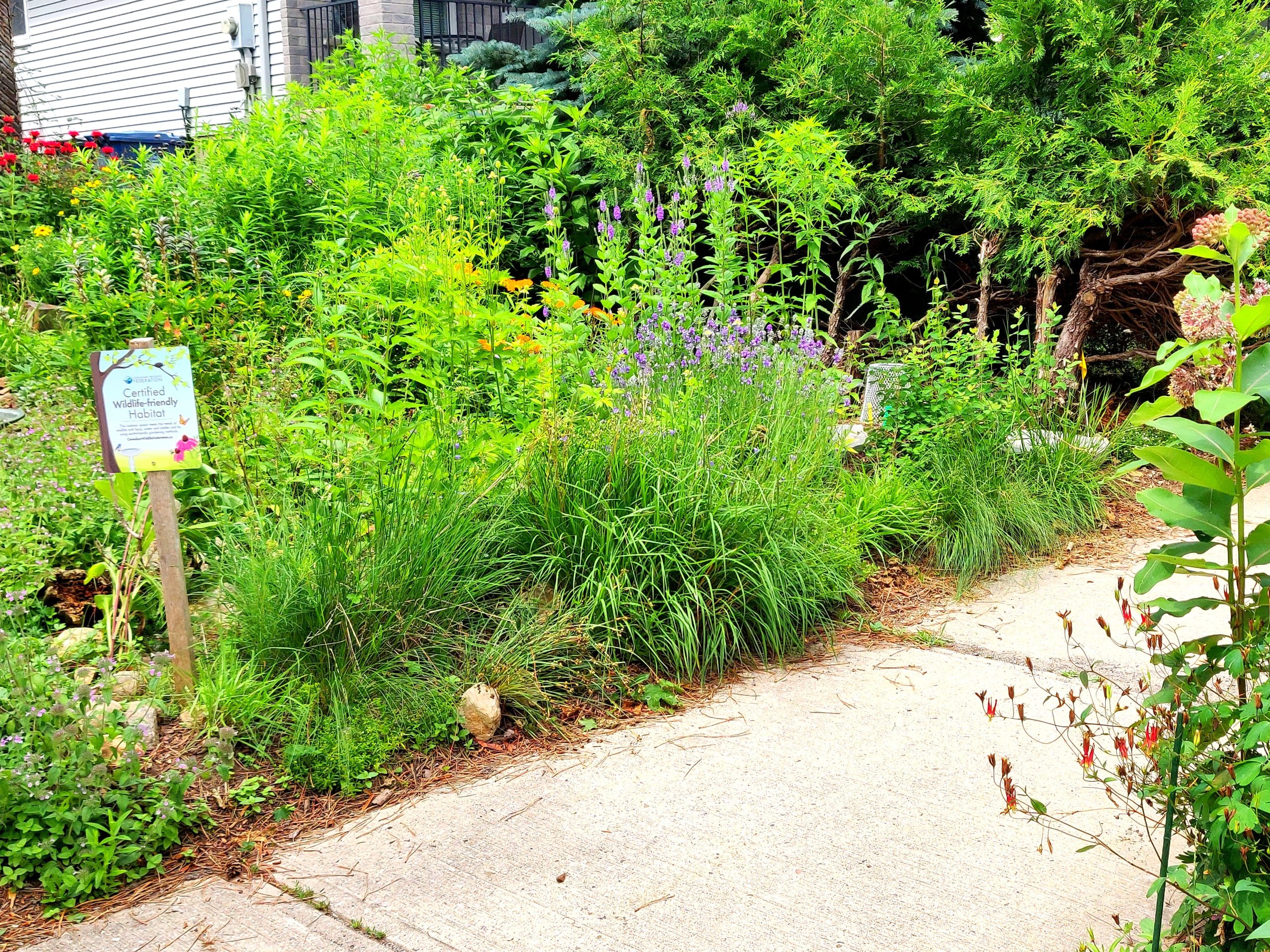
Garden Testimonials
I was able to find enough caterpillars to grow up strong 💪. That’s A LOT of good eats!
Doug (a chickadee)
there was always something in bloom, even in the early spring when most gardens just have crocuses and dandelions. Highly recommend.
Mike (a leaf miner bee)
the golden Alexander got my attention first.
But then I saw a perfect pot of parsley. I was feeling adventurous so I laid my eggs on the parsley.
Go for the golden Alexander. Stay for the tasty parsley!
Valerie (a black swallowtail butterfly)
I got excited by all the great flowers but then I noticed there was barely any turf grass for my larvae. This place is overrated. Don’t believe the hype! 2.5/10
Hal (Japanese beetle)
good mature milkweed. 20/10 would recommend
Shelly (a milkweed tussock moth)
I had so many choices of milkweed to lay my eggs on. I really feel like my babies will have enough milkweed to eat even with Shelly the milkweed tussock moth laying eggs there too! You know how it is with tussock moths 🙄
Kelly (a monarch butterfly)