FAQ
Won’t native plants attract a bunch of unwanted bugs to my yard? Yes and no–it depends what your definition of “unwanted” is. If you don’t want any insects at all or have a phobia of or severe allergy to bees, a native garden might not be the right choice for you.
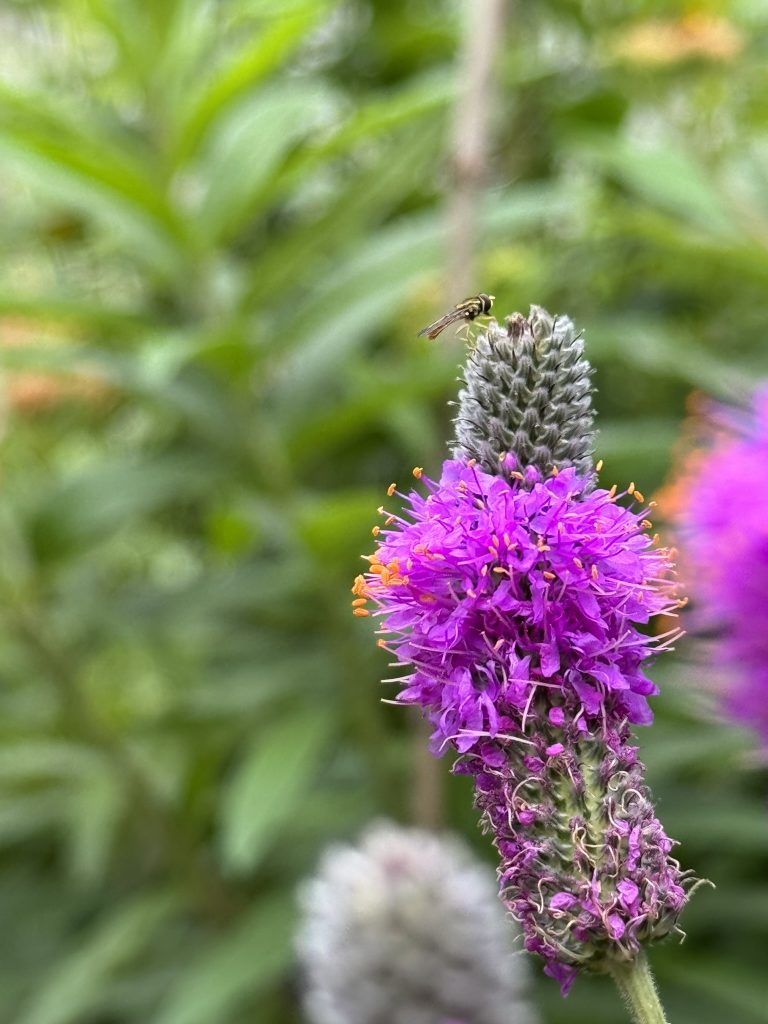
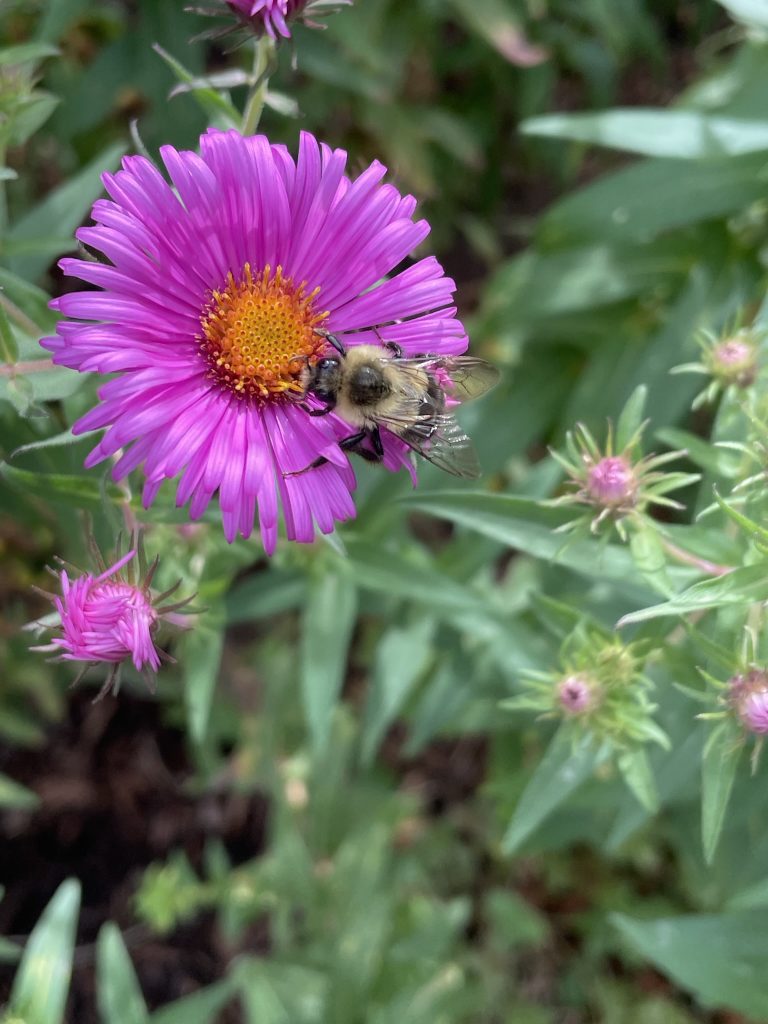
Generally, yes, you’ll have more insect activity in your garden. Most of those insects will be “wanted” in the sense that they are native and they have a deep ecological relationship with your plants. They’re part of the increased biodiversity of your garden and rely on those plants to survive. Admittedly, my garden has many wasps and bees that buzz around all day long. The secret is that they’re so busy stuffing their faces with nectar and looking for the next juicy flower that they don’t notice you at all–unless you trap them or threaten their nest, of course. I’ve been bumped into by many giant digger wasps, and all kinds of bees from bumbles to tiny miner bees while disturbing my plants and I’ve yet to get stung. There are also many native wasps that are very gentle like the grass-carrying wasp which collects bits of grass to stuff in a hole to build her nests.
If by “unwanted” insects, we mean many invasive or nuisance insects like mosquitoes, the answer is generally no! The increased biodiversity attracts predator insects like dragonflies which hover around all day eating a ton of other insects and mosquitoes.
Won’t native plants attract rodents into my house? No! In fact, we’ve found that the increased biodiversity in a native yard also attracts predators like snakes and birds which eat any rodents that might already be there. There’s also generally better nesting materials and sites for native critters which means those seem to have no interest in coming inside! Unless you’ve got a ton of fruit bearing shrubs, the native plants themselves generally feed native birds and insects rather than provide rodent food sources like bird feeders.
Aren’t native plants difficult to keep in a garden? Quite the contrary! Native plants in the right environment are incredibly hardy. Once established, they don’t require much if any maintenance or watering. They don’t typically need special soil amendments. They are cold-hardy which means they don’t get killed by frost. Many are perennials and/or self-seeding, which means re-planting is not necessary.
Some species can be aggressive, i.e. they propagate easily and quickly. These plants are better suited for large space like prairie restoration projects. We typically don’t recommend these plants for small gardens.
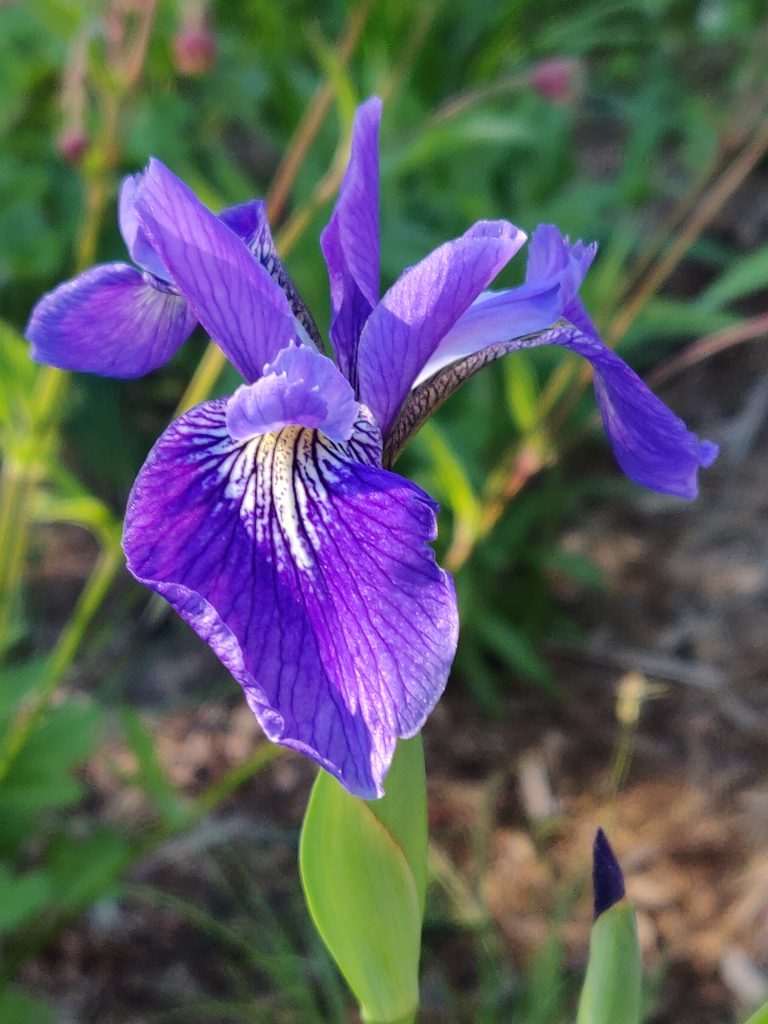
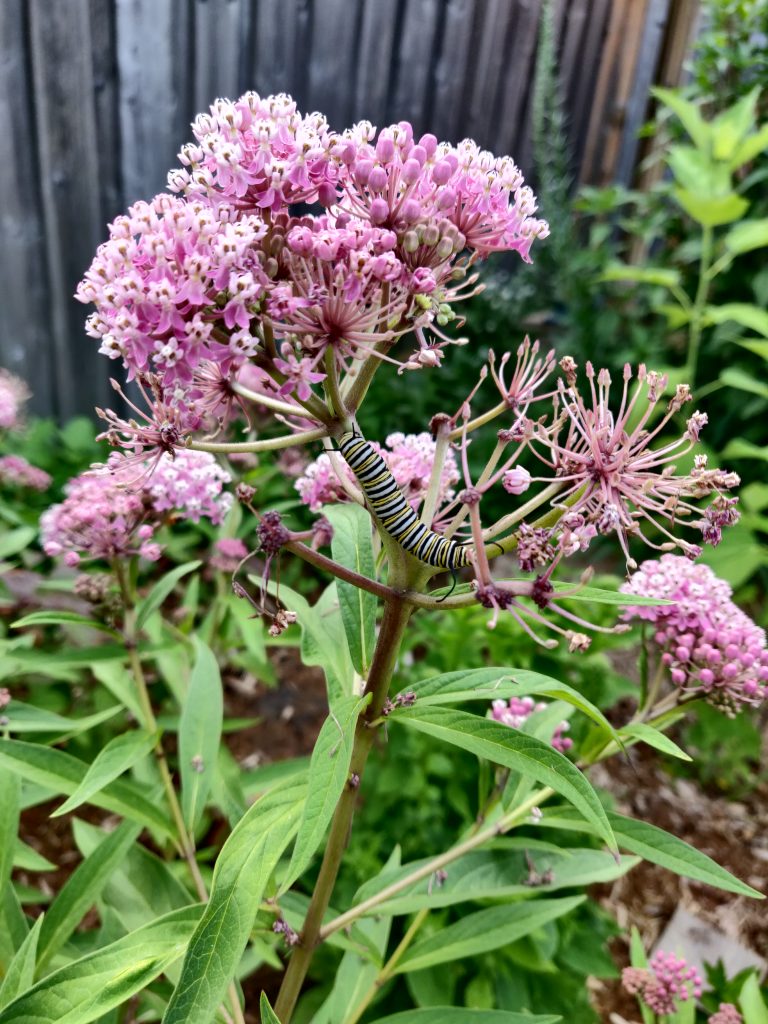
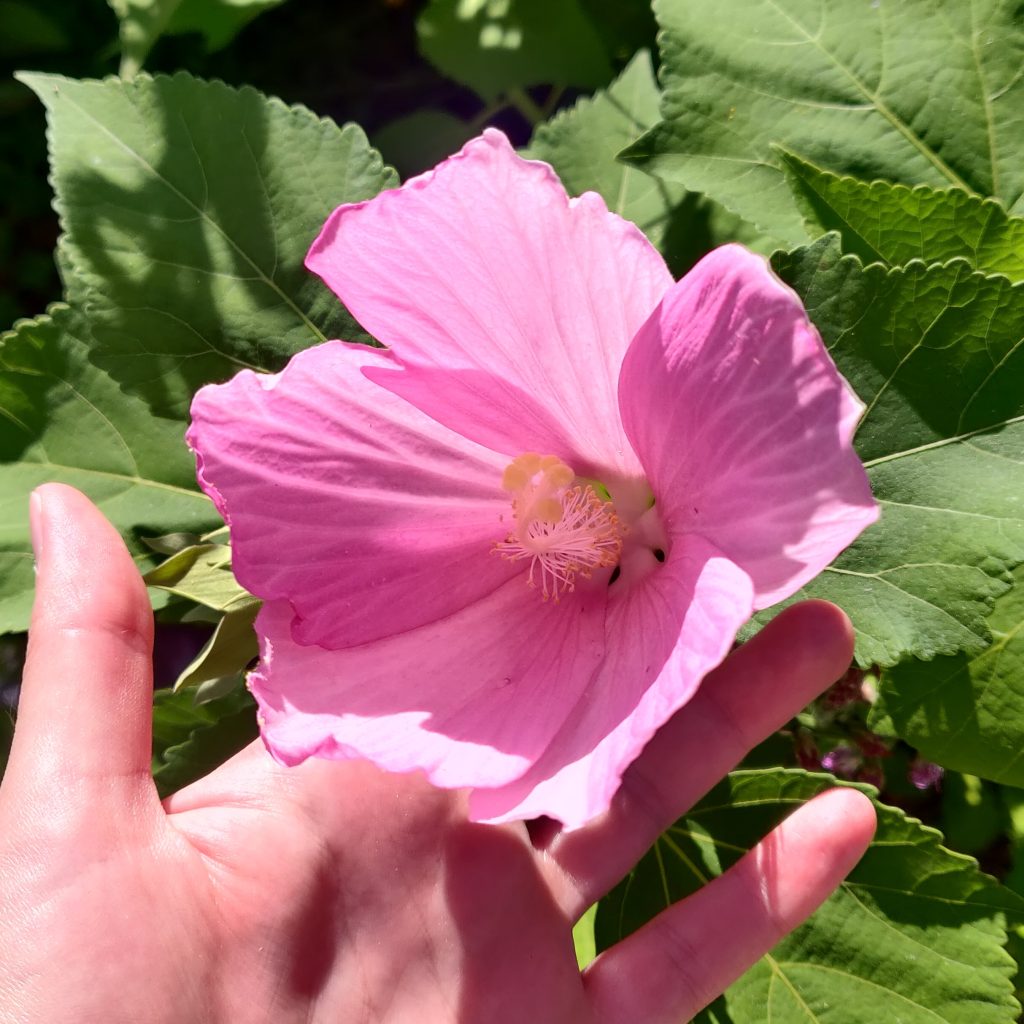
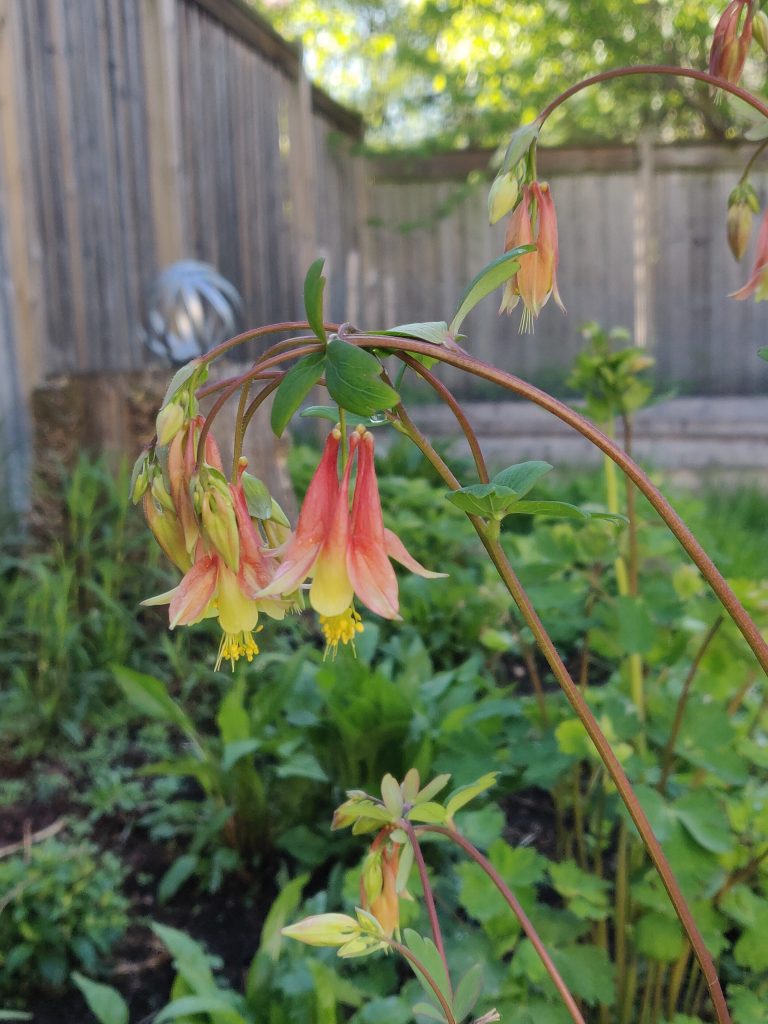
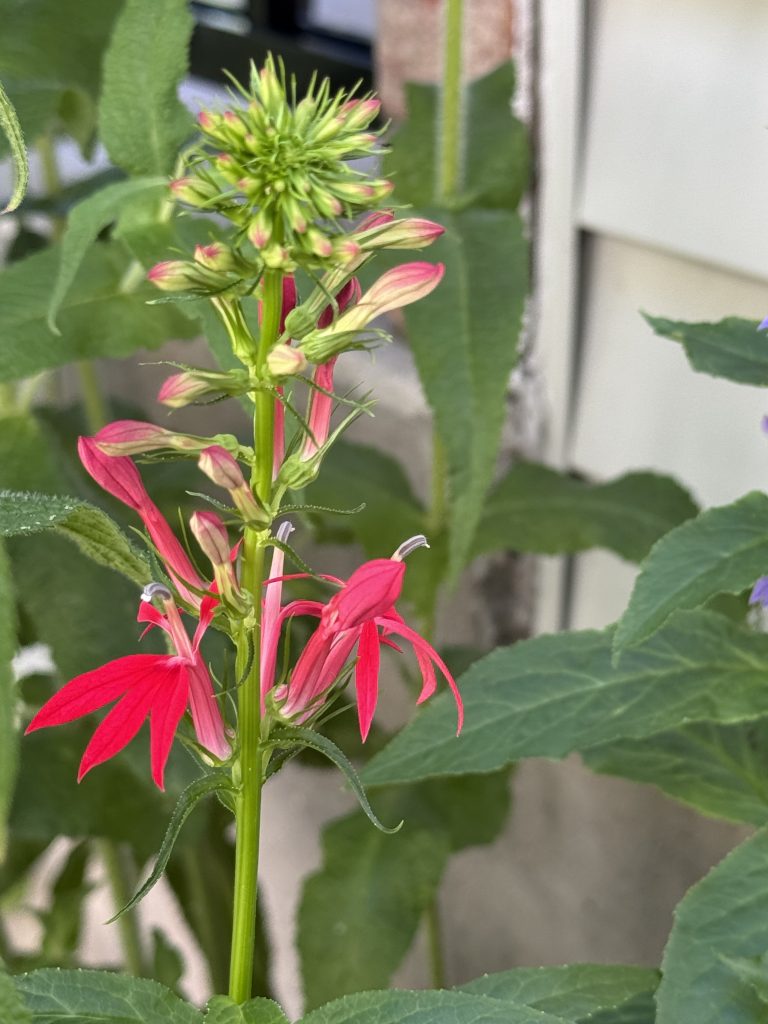
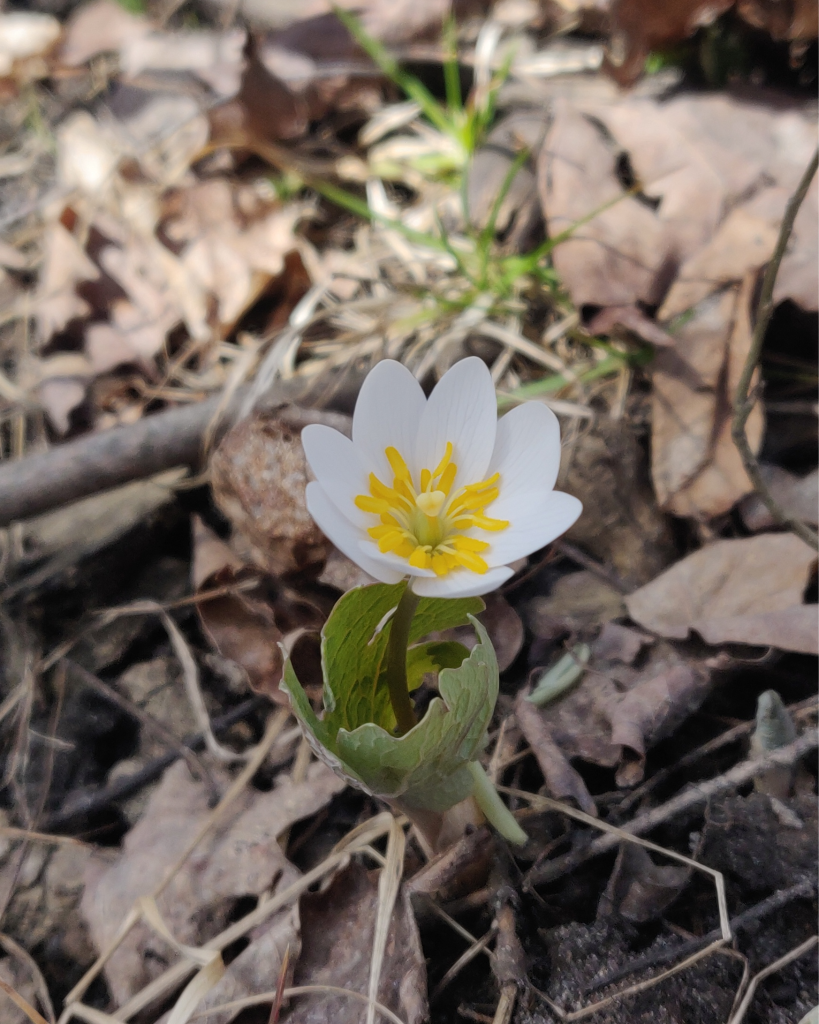
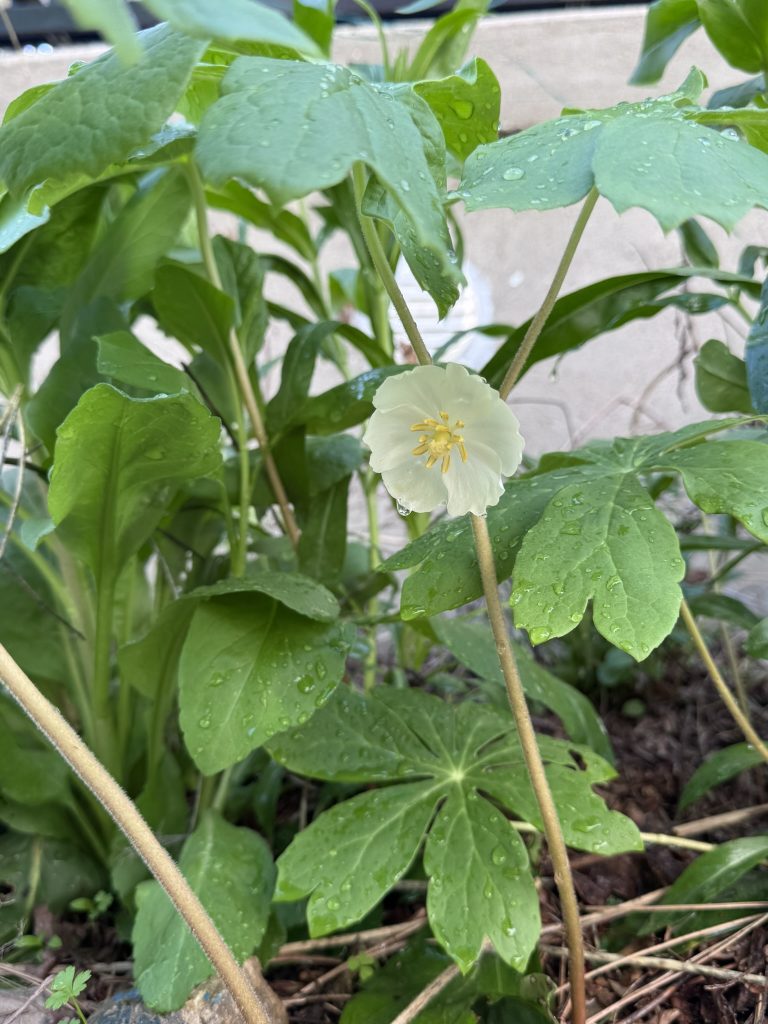
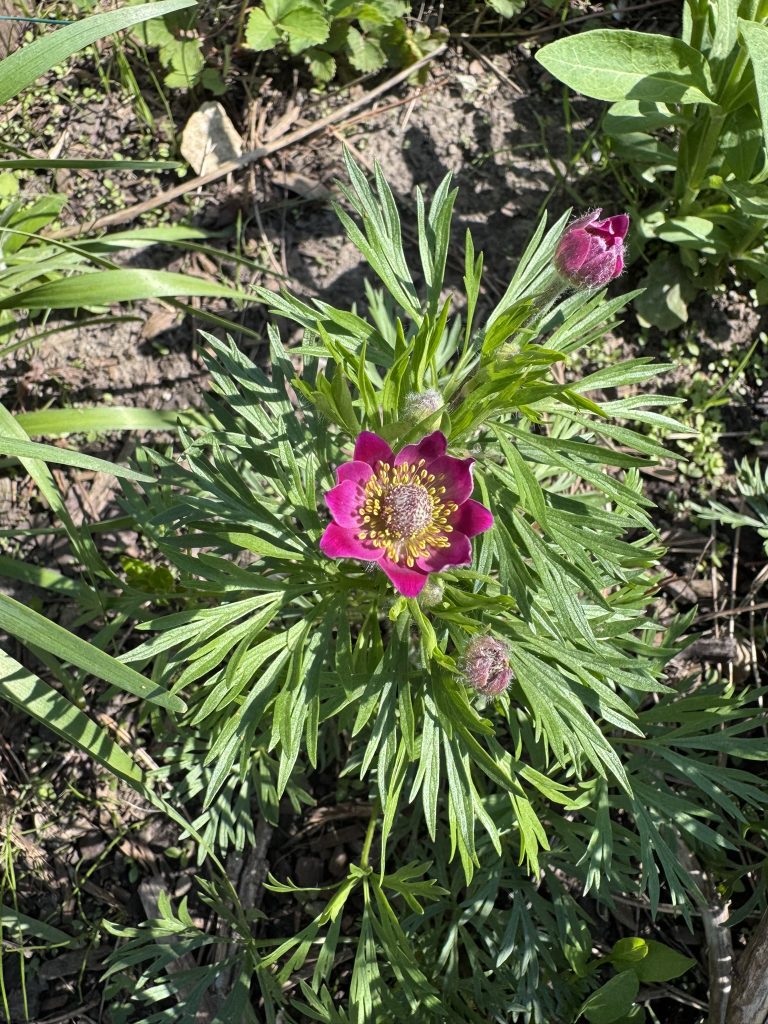
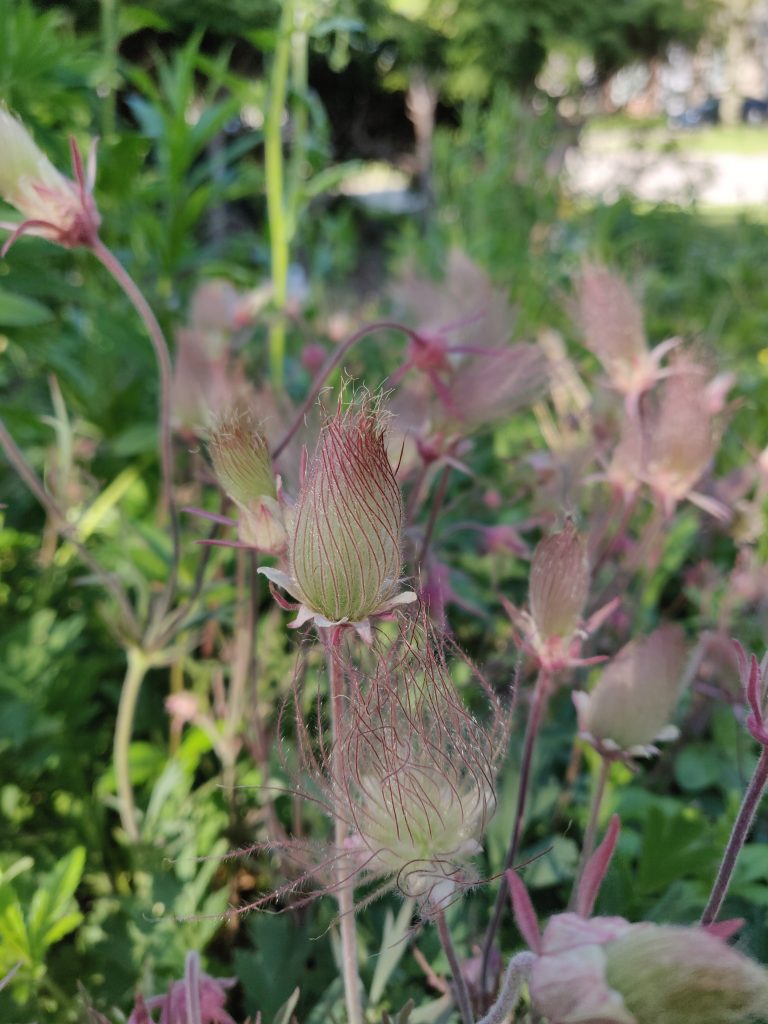
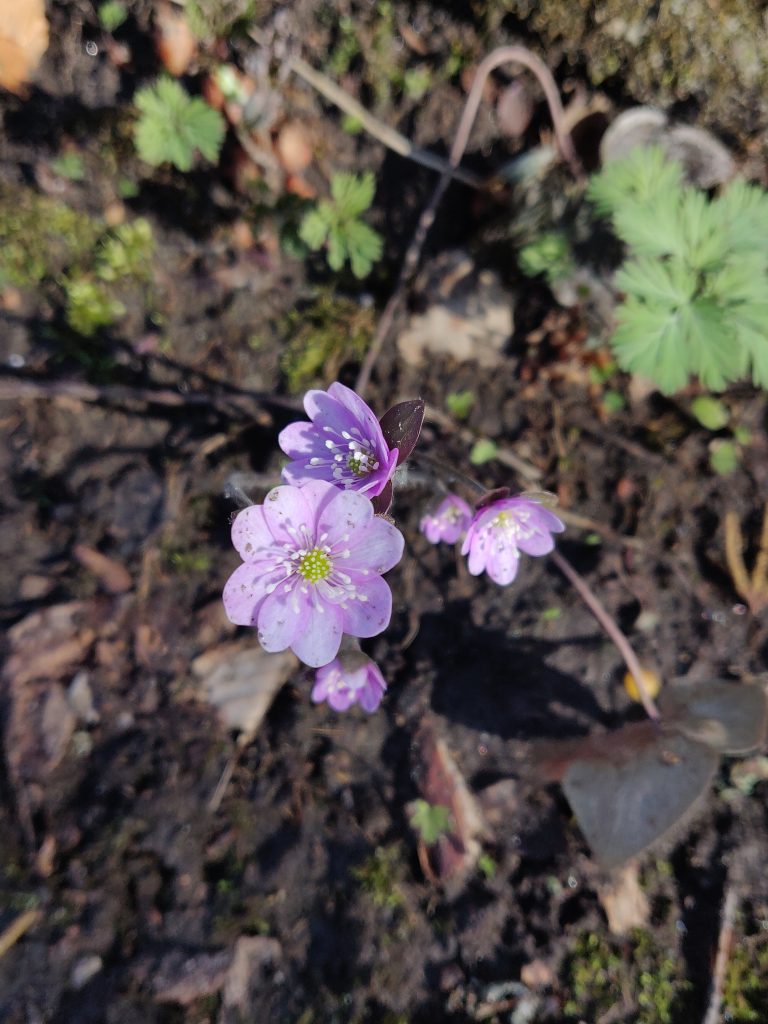
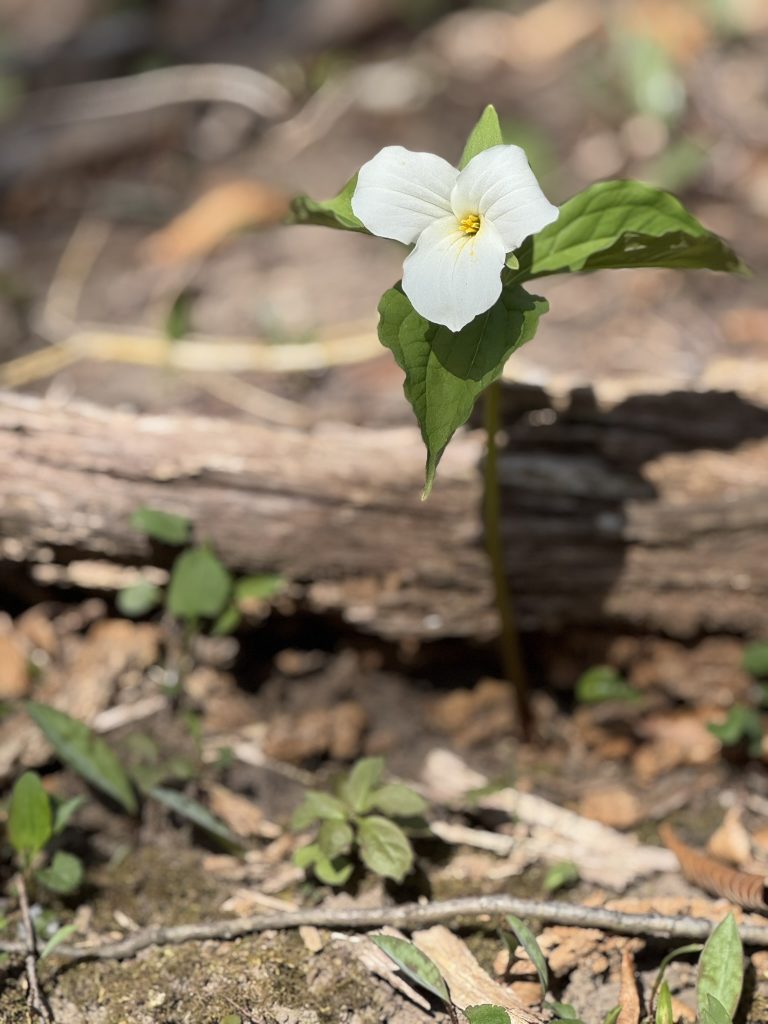
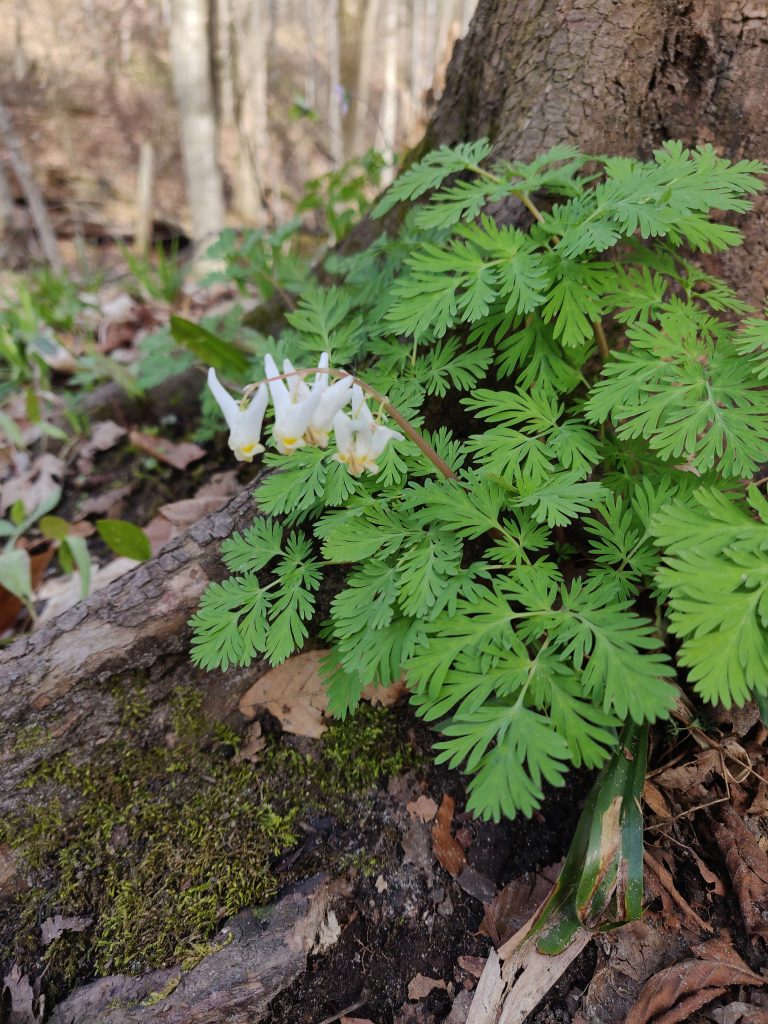
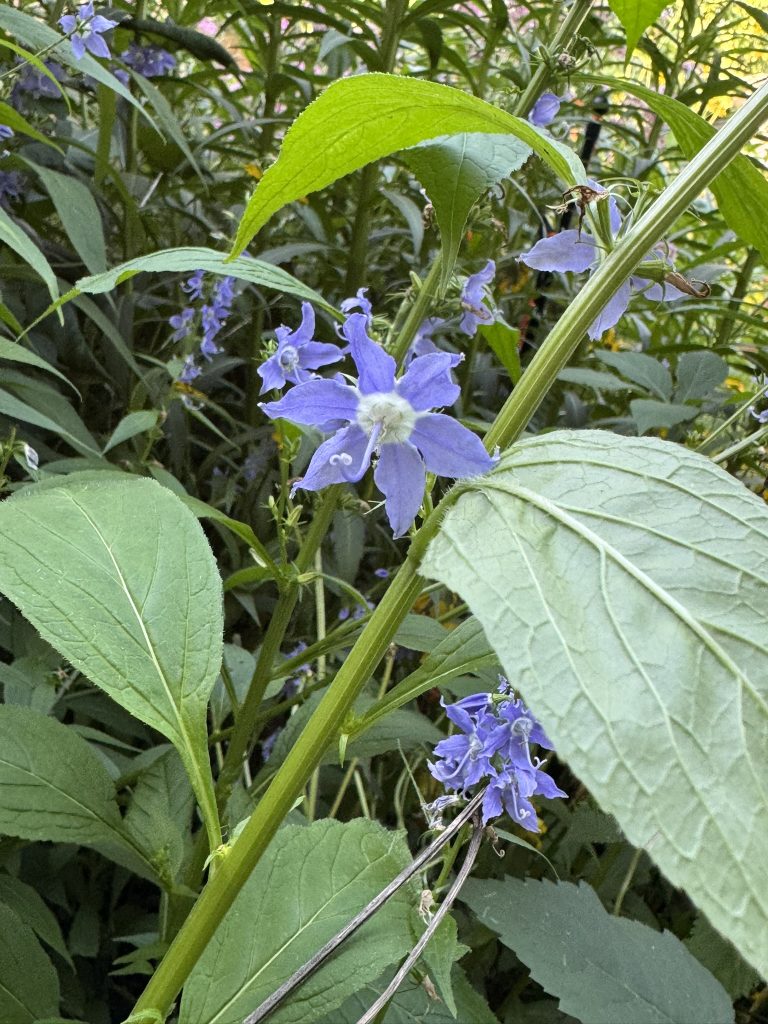
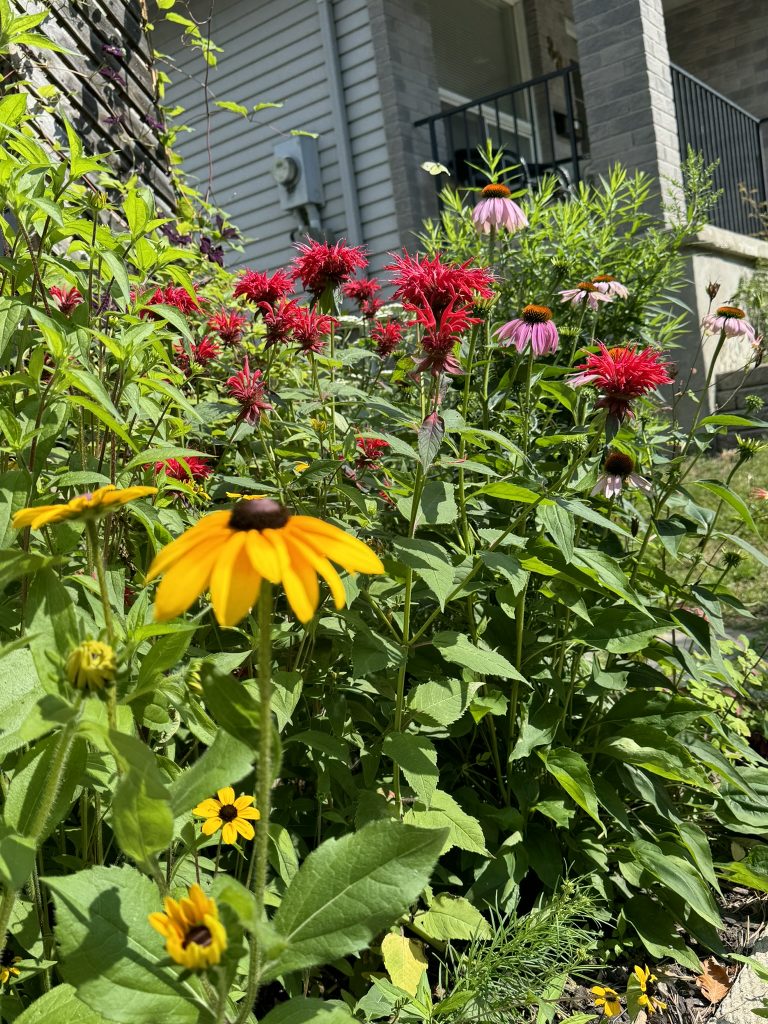
Aren’t native plants and wildflowers ugly? Beauty is in the eye of the beholder, so we can only provide our opinion here. I personally think they’re so beautiful. I love the vibrant almost glowing purple of the Blue Flag Iris, the intoxicating marshmallow-smell of the Swamp Milkweed, the showstopping flower of our only native hibiscus the Swamp Rose Mallow, the fairy bell and wind-chime flowers of Wild Columbine and Early Meadowrue, the graceful unfurl of Bloodroot’s unique leaf from a single flower, the dainty little flower peeking from under the stunning leaf of the Mayapple. There’s so many things to love.
Ultimately, it’s up to you whether you find them beautiful. I hope we can show you some of their beauty here.
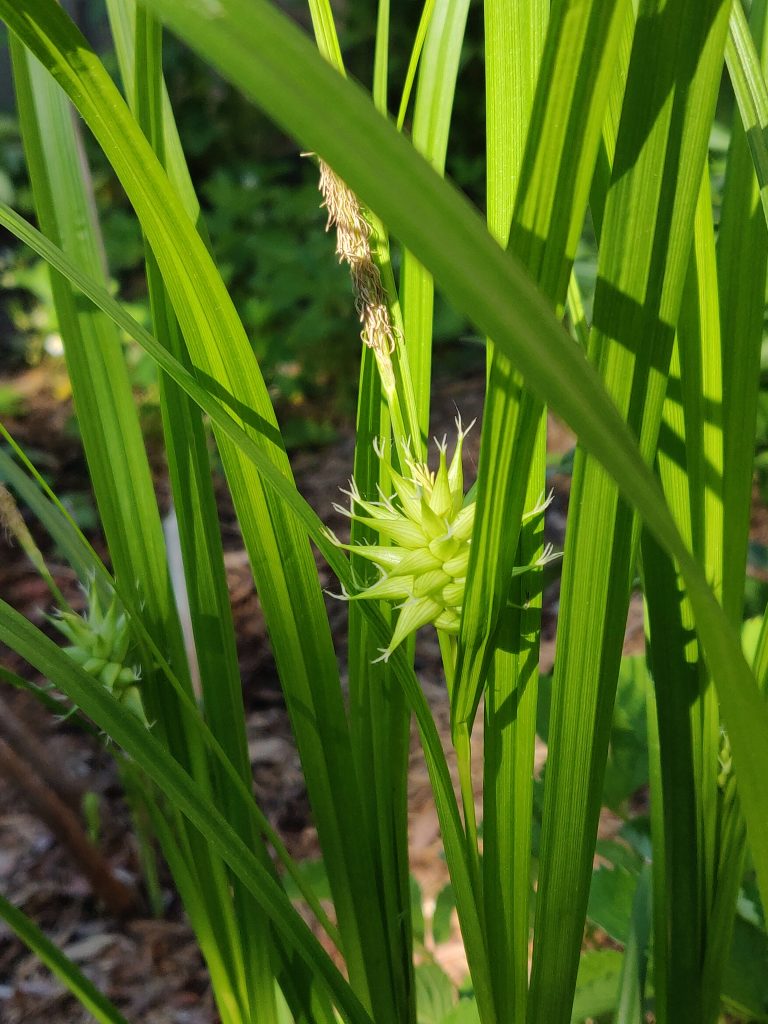
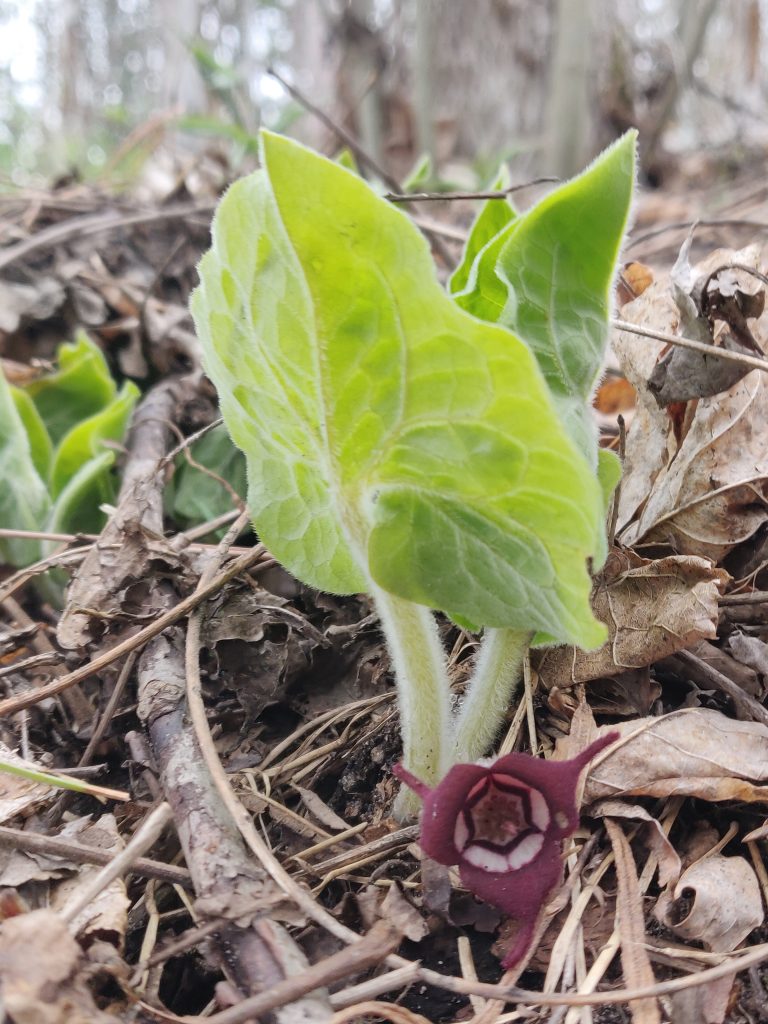
Why do you put the latin scientific names behind plant common names? Common names for plants can be deceiving! They often refer to many different plants, which can make googling a pain. Scientific names are exact and refer only to a single plant. Using the scientific name when discussing and shopping for plants makes sure that you’re getting the plant you’re actually looking for.
Commercial nurseries have started carrying a small quantity of native plants (yay!). Unfortunately, some are not upfront with what they stock and will label tropical milkweed (Asclepias curassavica), which can kill monarchs if not pruned correctly, as butterfly milkweed. The “butterfly milkweed” native to Ontario is Ascelpias tuberosa.
Can I get cultivars of native plants aka “nativars”? Sometimes–it’s good to know the pros and cons of native cultivars.
Cultivars have been shown in studies by Dr Annie White1 to decrease the ecological benefit of a plant. Native bees, butterflies, and birds get less nutrition out of these plants and visit them less. Only a few plants have been assessed and so more research is needed on the subject.
In general, it’s not great to get cultivars of plants that are highly susceptible to cross-breeding: wild red columbine, wild blue lupine. These plants hybridize (i.e. produce via offspring) readily with non-native species. Hybrids have properties of both parent plants, which means they take on properties of the non-native parent plants. This is detrimental to their ability to support native wildlife.
Otherwise, it’s generally fine to have cultivars as some do still have some ecological benefit, just not as much as the straight species. It can also be great to have cultivars that are bred to reduce some of the less desirable behaviour or some native plants like aggressive propagation. If you want a native plant in your yard but you only have access to cultivars or are worried about managing an aggressive plant, go for a nativar! It’s better than no native at all.
Perfect is the enemy of good enough.
How else can I support pollinators? There are many ways! Among them:
- Putting out water baths for bees with rocks for them to climb out if they fall in.
- Leaving stems and leaves as they are in gardens for overwintering insects like fireflies
- Installing a bird nesting box
- Avoid using pesticides
- Avoid using herbicides if possible
- Remove or control invasive plants on your property
- If you already have a garden you love, consider adding keystone species to it
- Support organizations that work on environmental restoration. See our Resources.
What is an invasive? An invasive plant is one that was introduced to Ontario after European contact by anthropogenic means. Invasive plants are highly adaptable and aggressive, and typically have no natural biological controls in Ontario as they did not evolve here. They cause the degeneration of local ecology by displacing native flora. They can create monocultures, preventing anything else from taking root. Some, like european buckthorn, are allelopathic i.e. they secrete a chemical into the soil to inhibit other plant growth.
Common invasives you might find in your neighbourhood:
- Bindweed (Convolvulus arvensis)
- Dog-strangling vine (Vincetoxicum rossicum)
- European Buckthorn (Rhamnus cathartica)
- Garlic Mustard (Alliaria petiolata)
- Goutweed (Aegopodium podagraria)
- Himalayan Balsam (Impatiens glandulifera)
- Tartarian, Amur, Morrow, and Bells Honeysuckles (Lonicera tatarica, L. maackii, L. morrowii, L.×bella)
- Japanese Barberry (Berberis thunbergii de Candolle)
- Lily-of-the-valley (Convallaria majalis)
- Multiflora rose (Rosa multiflora)
- Periwinkles (Vinca minor, Vinca major)
- Siberian Squill (Scilla siberica)
- Yellow Iris (Iris pseudacorus)
For more information, see the Ontario Invasives Species Council and the Invasive Species Center.
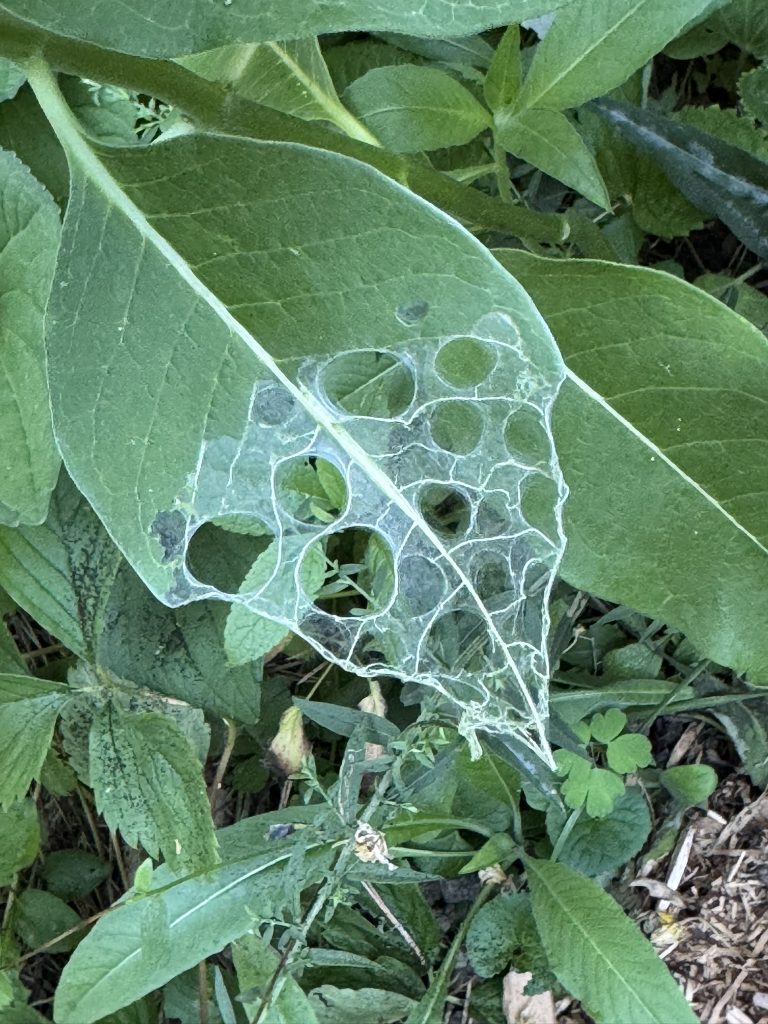
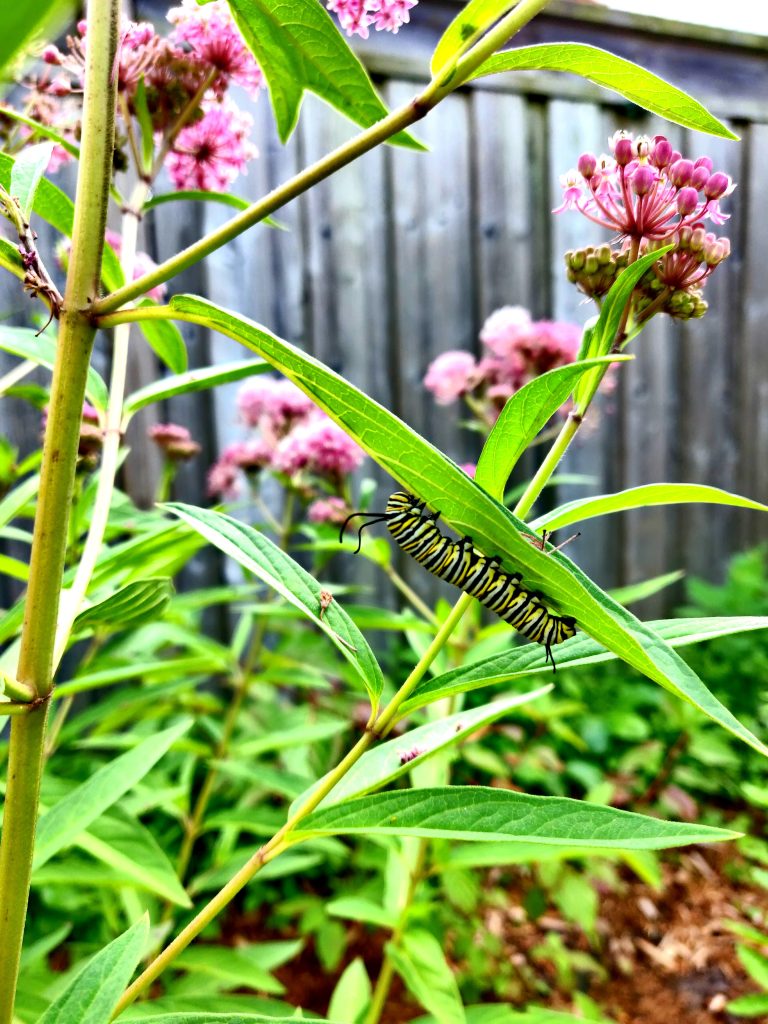
What are host plants? A host plant has a special relationship with one or more given insects. These plants provide a home and food for those insects in their larval (e.g. caterpillar) stage. The larvae may cause cosmetic damage to the plant but since native plants and insects evolved together, it typically doesn’t cause harm to the plant.
Host plants are critical to the lifecycle of these insects. Some insects, like the beautiful monarch butterfly, only have a single species as their host plant: the Milkweed (Ascelpias spp.) As such, planting milkweed is the best way for us to help monarch populations increase.
What is a keystone species? Keystone species are defined by the National Wildlife Federation as
Keystone plants are native plants critical to the food web
and necessary for many wildlife species to complete their life
cycle. Without keystone plants in the landscape, butterflies,
native bees, and birds will not thrive. 96% of our terrestrial
birds rely on insects supported by keystone plants.
For our ecoregion, keystone plants include:
- Goldenrods (Solidago spp.) like Stiff Goldenrod (Solidago rigida) is a clumping variety.
- Asters (Symphyotrichum spp.) like New England Aster (Symphyotrichum novae-angliae)
- Sunflowers (Helianthus spp.) like Woodland sunflower (Helianthus divaricus)
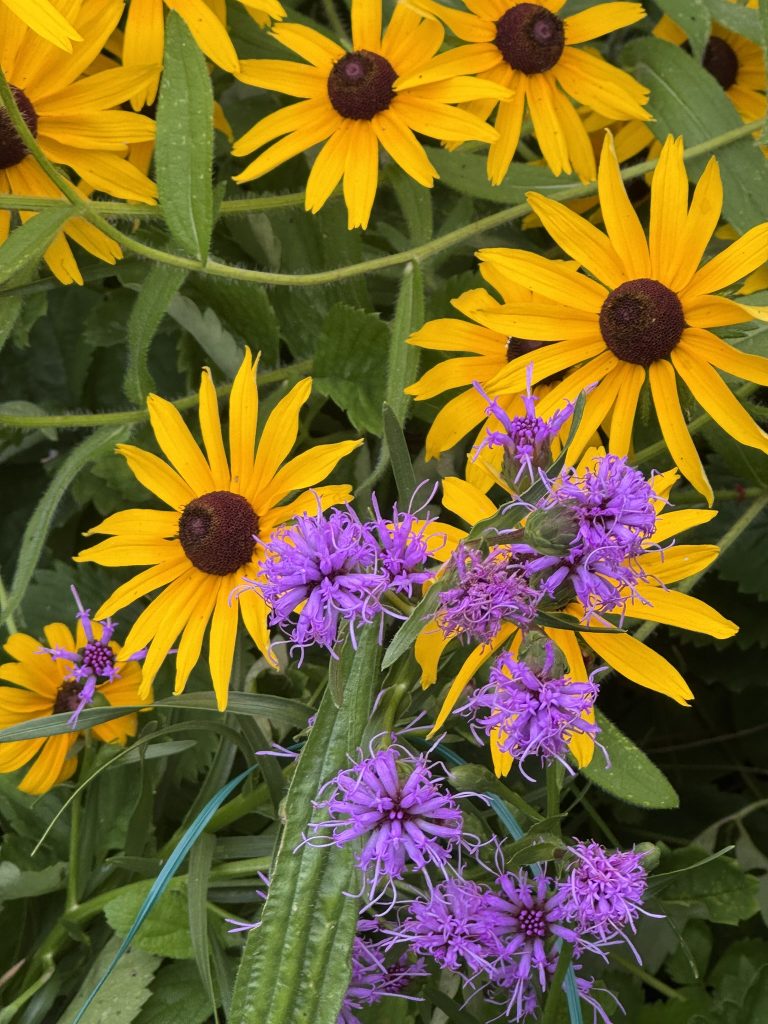
- Black-eyed Susans (Rudbeckia hirta) and Green-headed Coneflower (Rudbeckia laciniata)
- Coreopsis (Coreopsis spp.) like Lance-leaved Coreopsis (Coreopsis lanceolata)
- Oaks
- Native Pines like Eastern White Pine (Pinus strobus)
- Native Maples like Silver (Acer saccharinum) and Sugar (Acer saccharum)
Why is it good to leave the leaves on the ground and leave plant stems intact in the fall Stems provide food for birds in the winter in the seeds that are in the plant’s seed head. Stems also provide shelter for overwintering insects. Some species like small carpenter bees burrow into hollow stems to sleep the winter away and emerge in spring. In the spring, if you do wish to cut down flopped over stems, it’s best to leave 20-50cm height to give the overwintering bees a chance to emerge.
If you do wish to cut down the stems, you can always find a spot in your yard hidden away to leave the stems. That way the shelter and seeds are still available to birds and bees.
As for leaves, it’s best for our native pollinators to leave them where they are. Easiest bit of yard work ever! They provide overwintering shelter that’s critical for some of our insects, namely the fireflies. Wonder why we don’t see as many fireflies as we used to? Part of the reason is they need a leaf layer to shelter under to survive the winter. The leaf layer protects bare soil from harsh winter conditions, maintaining ecological activity at the top of the soil rather than forcing it to retreat underground or getting killed off from the cold.
If you do wish to rake leaves off of your lawn, consider raking them into a garden bed! Free mulch and you maintain some habitat for the insects.
Should I dead-head native plants? It’s up to your preference! Dead-heading plants will encourage more flowers and a longer flowering period, which is good for species that collect nectar and pollen. If you’re like me and prefer a lower maintenance garden, you can leave the flower heads in place.
Some people like to dead-head flowers at the end of the growing season to tidy up their garden space. Many native plant flowers, however, produce seeds that feed winter birds like the Junco, the Chickadee, and the Nuthatch. I prefer to leave the seed heads up for birds (and the stems for overwintering bees) and for the visual interest in the garden in winder. I absolutely love watching them perch on my blazing stars in December to pluck out those yummy seeds.
How do I save seeds? It’s pretty easy! When a flower has faded (i.e. the petals have dropped and what remains has turned dry and typically brownish) you can generally just pluck, shake, or squash the seeds from the seed head.
Pro-tip for flowers with loose and/or tiny seeds: fit a paper bag over the entire seed head, pull the seed head down so the bag is somewhat upright, and shake! You get more seed and less chaff that way.
Some seed heads can be a bit prickly or tricky. For example, I always wear gloves to collect coneflower seeds as the seed head is quite spiky and requires some squishing to get the seeds out. Plus, I have to beat the birds to the seeds if I want to collect some; the goldfinches love rudbeckia and echinacea seeds in the fall in my garden.
Make sure to store your seeds in packaging that is not airtight like paper bags and envelopes. Any moisture in the seeds may cause mold if they are kept in a sealed container. The exception of course is if you’re collecting seeds that need to be kept moist, like for many wetland plants.
It’s best to collect seeds on a sunny day to make sure they’re fairly dry. Otherwise you will want to set them out to dry before packaging them.
The Ottawa Seed Library has fantastic videos on seed collection, packaging, and winter sowing on their Youtube channel.
Why do you avoid using dyed mulch? Dyed mulch is often made with unnatural dyes that can contaminate the soil. Natural mulch will slowly break down and improve soil quality while suppressing unwanted weeds.
Why do you avoid using landscape fabric? Coming soon! Spoiler: ✨microplastics✨
What do I do if my native plants get floppy? Sometimes native plants can get floppy. A few of them are floppy by nature, i.e. Canada Milkvetch, but most are floppy due to the conditions they find themselves in.
Native plants, prairie plants especially, are hardy and strong. They are used to having to compete with many other plants for soil, water, and sun. They’re really good at growing tall and thriving in poor conditions.
Sometimes, our gardens are like a buffet for these plants. The soil is rich, they have a lot more space around them than they would in nature. We give them lots of water. The plants get stoked by all the delicious nutrients and spring up super tall, taller and/or bushier than you might see them in nature (I find this to be true for Wild Columbine, Aquilegia canadense).
The second reason for the flop combines with the above. Native prairie plants are used to growing in high density. In a field of wildflowers and grasses, the plants support each other to stay upright.
So what do we do to prevent floppy flowers? We rarely amend soil and prefer to choose plants that fit the existing conditions. That way, we’re not supercharging the plants with too many nutrients. It also saves you on materials!
We also plant many grasses. Grasses play a structural role in prairies and our gardens. They help to prop up top-heavy flowering plants.
What can you do if you already have a floppy flower? We recommend installing a cheap tomato support cage in the spring over a plant you know will flop. That pretty much solves the issue for us. You can even leave it in place year round for perennials. Leaving the stems from the previous year can also help support the new year’s growth, as well as support burrowing native insects.
- White, Annie S. “From Nursery to Nature: Evaluating Native Herbaceous Flowering Plants Versus Native Cultivars for Pollinator Habitat Restoration” A Dissertation Presented to The Faculty of the Graduate College of The University of Vermont. University of Vermont, 2016. https://scholarworks.uvm.edu/server/api/core/bitstreams/7cfa3251-1c33-4b8d-9166-4ada94f409e6/content ↩︎